Proper brushing is essential for your dog's skin health, coat shine, and overall comfort. But with so many grooming tools available, how do you choose the right one for your pup? This comprehensive guide breaks down the best brushes for every dog breed and coat type, focusing on key areas that need special attention.
Understanding Dog Coat Types:Dogs have five main coat types, each requiring different grooming approaches:
1. Smooth/Short Coats (Boxers, Dalmatians)
2. Double Coats (Huskies, Golden Retrievers)
3. Long Coats (Maltese, Afghan Hounds)
4. Curly/Wiry Coats (Poodles, Terriers)
5. Hairless (Chinese Crested, Xoloitzcuintli)
 Essential Dog Grooming Tools & Their Uses
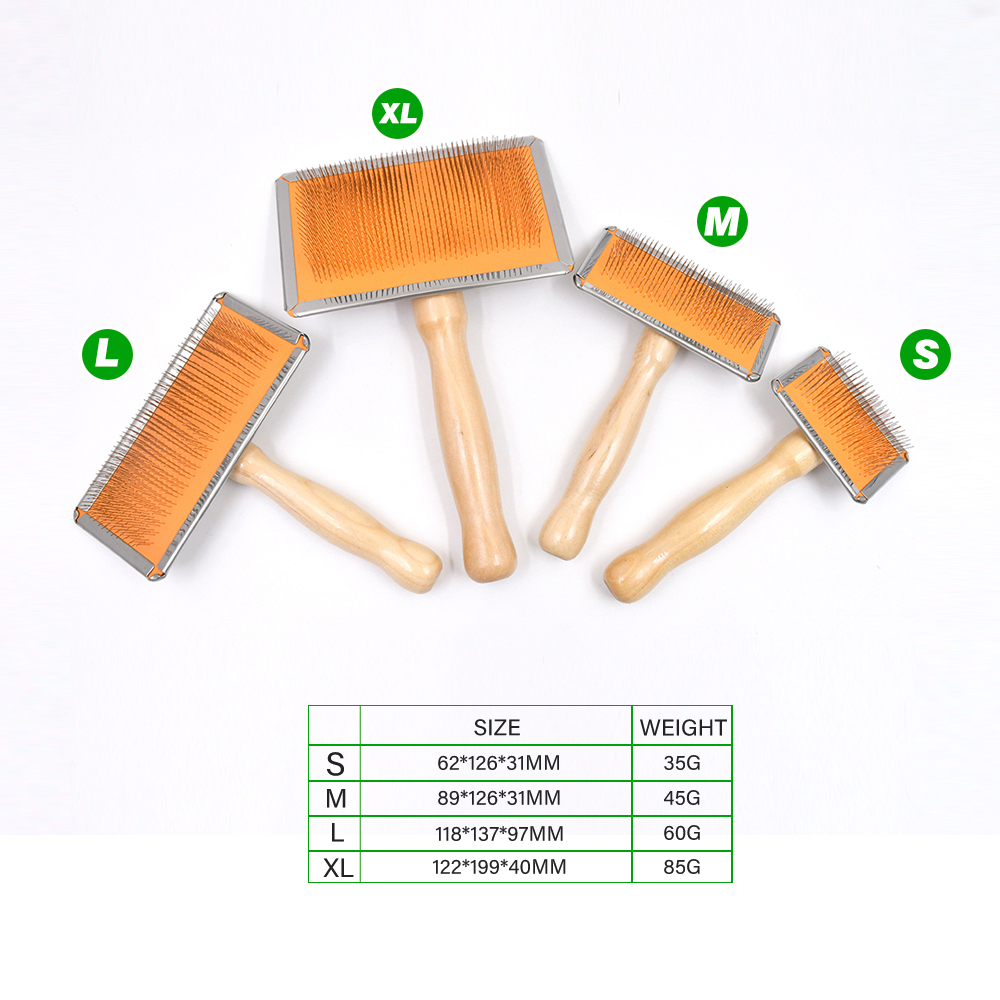
1. Slicker Brushes
Best for: Long-haired and curly-coated breeds
Key Areas: Entire coat, especially behind ears and leg feathering
The fine, short wires of slicker brushes effectively remove mats and tangles. Use gentle strokes to avoid irritating the skin.
Top breeds that benefit:
-Poodles & Shih Tzus & Cocker Spaniels
2. Undercoat Rakes
Best for: Double-coated breeds during shedding seasons
Key Areas: Chest, hindquarters, and tail base
These tools reach through the topcoat to remove loose undercoat fur, preventing matting and excessive shedding.
Top breeds that benefit:
- German Shepherds
- Chow Chows
- Newfoundland Dogs
3. Bristle Brushes
Best for: Short-haired and smooth-coated breeds
Key Areas: Back, sides, and face
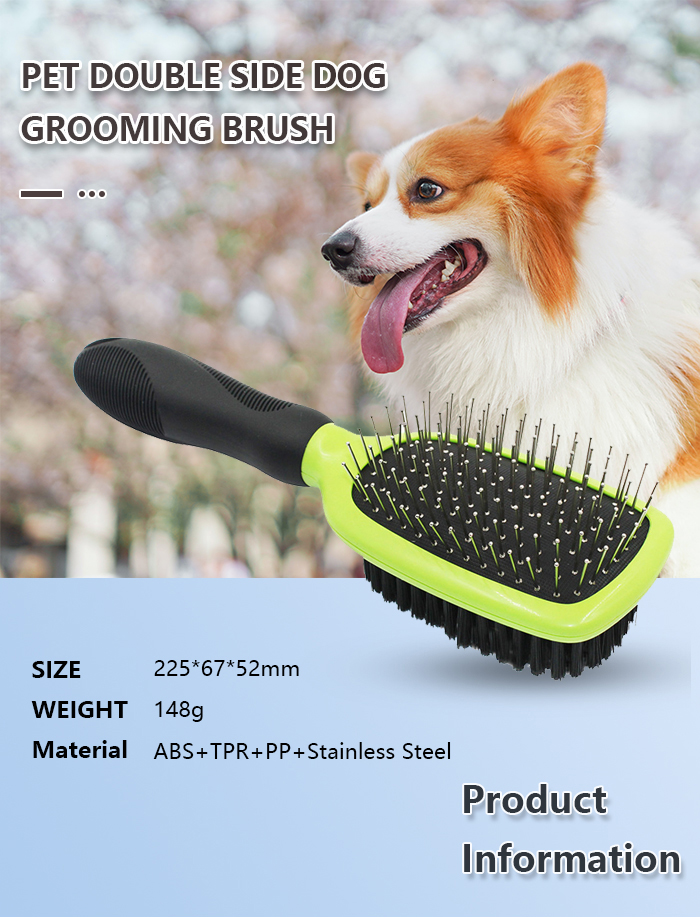
Soft bristles distribute natural oils while removing loose hair. Perfect for weekly maintenance brushing.
Top breeds that benefit:
- Beagles
- Dobermans
- Great Danes
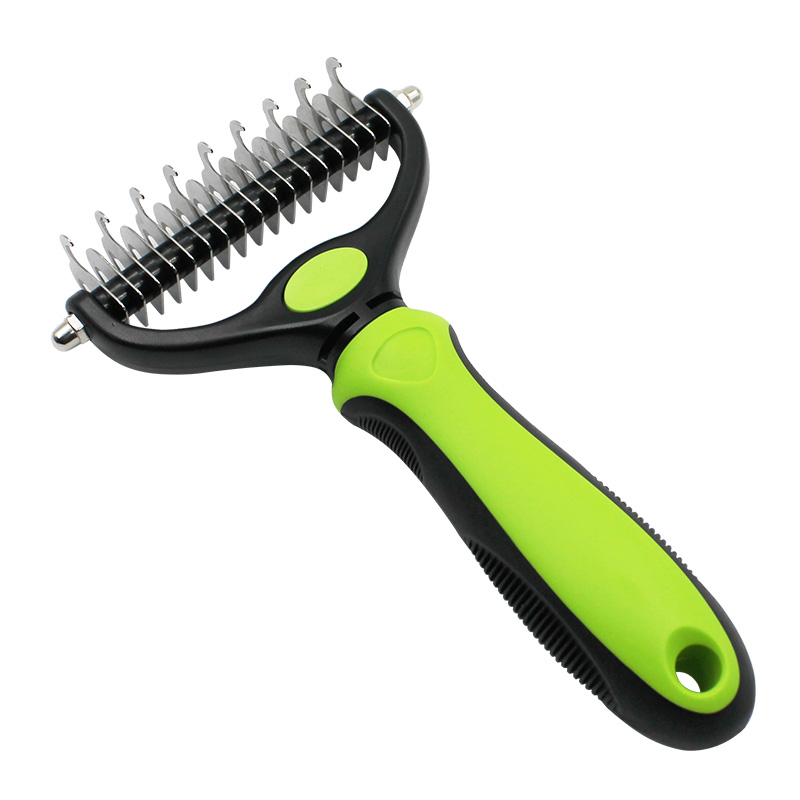
4. Dematting Combs
Best for: Severely matted coats
Key Areas: Problem areas only (use sparingly)
These specialized tools have sharp blades to carefully cut through mats without harming the skin. Always use extreme caution.
5. Pin Brushes
Best for: Long, silky coats
Key Areas: Ear feathers, tail, and leg furnishings
The rounded pins glide through hair without breaking it, making them ideal for show dogs.
Top breeds that benefit:
- Yorkshire Terriers
- Afghan Hounds
- Lhasa Apsos
Special Area Focus: Problem Zones
Certain body parts often need extra attention:
- Paws & Toes: Use a fine comb between pads
- Ears: Gentle slicker brush for long-haired breeds
- Tail: Start brushing from tips to avoid breakage
- Sanitary Areas: Clippers or short-bristle brushes
Grooming Frequency Guide
| Coat Type | Brushing Frequency |
| Short Hair | 1-2 times weekly |
| Double Coat | 3-4 times weekly (daily during shedding) |
| Long Hair | Daily |
| Curly/Wiry | Every other day |
Pro Tips for Effective Brushing
1. Always brush in the direction of hair growth
2. Use detangling spray for stubborn knots
3. Check for skin irritations while brushing
4. Make grooming a positive experience with treats
5. Clean your tools regularly to maintain effectiveness
Investing in the right grooming tools and establishing a consistent routine will keep your dog's coat healthy, reduce shedding, and strengthen your bond. Match the brush to your dog's specific needs for best results!